

A knocked-out tooth during Saturday sport. A cracked molar after biting down on something hard. A throbbing toothache that hits in the middle of the night. Common dental emergencies like these don’t follow a schedule, but knowing what to do when one happens (and how to avoid them in the first place) can make all the difference to your long-term oral health.
Whether you’re dealing with pain, trauma, or a post-treatment complication, here’s what you need to know.
Quick Answers
- The most common dental emergencies include severe toothaches, knocked-out or cracked teeth, lost fillings or crowns, dental abscesses, and soft tissue injuries.
- Most emergencies in the dental office occur during or shortly after dental procedures, but many everyday emergencies are preventable with good habits and regular check-ups.
- Acting quickly is critical. For a knocked-out tooth, getting to a dentist within 30 minutes significantly improves the chance of saving it.
- Regular professional care is the single best way to catch small problems before they become dental emergencies.
- If you’re in Adelaide and need urgent care, the team at Pasadena Dental offers same-day appointments for dental emergencies.
What Counts as a Dental Emergency?
A dental emergency is any situation involving pain, trauma, infection, or damage to teeth or surrounding tissue that requires prompt professional attention. Left untreated, many dental emergencies worsen quickly. An infection can spread, a cracked tooth can fracture further, and a knocked-out tooth becomes far harder to save with every passing minute.
Many patients who present to emergency departments have dental problems, including dental pain, infections, and trauma. But the ED is rarely the best place for a dental emergency — a dentist is.
The Most Common Dental Emergencies (and How to Prevent Them)
1. Severe Toothache
A sudden, severe toothache is one of the most common dental emergencies people experience. The pain can range from a persistent dull ache to a sharp, throbbing sensation that makes it hard to eat, sleep, or concentrate. It’s typically a sign of tooth decay, a cracked tooth, an exposed nerve, or an infection.
- How to prevent it: The most effective prevention is treating small cavities early. Brushing twice daily with fluoride toothpaste, flossing, and visiting your dentist every six months gives your teeth the best chance of staying pain-free.
- If it happens: Rinse with warm salt water and apply a cold compress to the outside of your cheek to reduce swelling. Call your dentist as soon as possible. A toothache that persists beyond 24–48 hours, or is accompanied by swelling, fever, or difficulty swallowing, needs urgent attention.
- How a dentist treats it: Depending on the cause, treatment can range from a simple filling to root canal therapy or, in severe cases, extraction. An emergency dentist in Adelaide can assess the source of your pain and provide relief on the same day.
2. Knocked-Out Tooth (Avulsion)
A knocked-out tooth is one of the most time-critical dental emergencies. Whether it happens during sport, a fall, or an accident, the clock starts ticking the moment the tooth leaves the socket.
- How to prevent it: Wearing a custom-fitted mouthguard during contact sport is the most effective protection. A well-fitted custom mouthguard from a dentist offers far greater protection than an off-the-shelf option.
- If it happens: Pick the tooth up by the crown (the white part), not the root. If it’s dirty, rinse it gently with milk or saline, not tap water. If possible, place it back in the socket immediately and bite down gently on gauze to hold it in place. If you can’t reinsert it, store it in milk or between your cheek and gum, and get to a dentist immediately.
- How a dentist treats it: The dentist will clean and reimplant the tooth, then splint it to adjacent teeth while it stabilises. Root canal treatment is usually required later. Outcomes depend heavily on how quickly the tooth is treated and how well it was stored.
3. Cracked or Chipped Tooth
Teeth crack for a number of reasons, including biting down on hard food, a knock to the face, or gradual weakening from teeth grinding (bruxism). Chips can range from minor cosmetic issues to deep fractures that expose the nerve.
- How to prevent it: Avoid chewing ice, hard lollies, or non-food items like pen lids. If you grind your teeth at night, a dentist-made occlusal splint (night guard) can significantly protect your enamel.
- If it happens: Rinse your mouth with warm water and apply a cold compress if there’s swelling. Save any broken pieces if possible. Dental wax or sugar-free chewing gum can temporarily cover a sharp edge.
- How a dentist treats it: Minor chips can often be repaired with tooth-coloured composite resin in a single visit. Deeper cracks may require a crown. If the fracture extends into the pulp, root canal treatment may be needed first.
4. Lost Filling or Crown
Fillings and crowns can fall out unexpectedly, often due to sticky foods, normal wear over time, or decay developing beneath them. While it’s not usually painful immediately, the exposed tooth is vulnerable to temperature sensitivity, further decay, and fracture.
- How to prevent it: Regular check-ups allow your dentist to identify fillings or crowns that are wearing down before they fail. Avoid very sticky foods like caramel or hard toffee, which can pull restorations loose.
- If it happens: Keep the crown or filling if you can find it. Dental cement from the chemist can be used as a short-term fix to cover the tooth and reduce sensitivity. Avoid chewing on that side and call your dentist promptly.
- How a dentist treats it: If the crown is intact, it can often be recemented. If decay is present beneath the tooth, the tooth will be cleaned and a new restoration placed. With dental implants available as a long-term option, there are good permanent solutions if a tooth is beyond saving.
5. Dental Abscess
A dental abscess is a pocket of infection that forms at the root of a tooth or in the gum. It’s one of the more serious common dental emergencies because the infection can spread to the surrounding tissue, the jaw, or even beyond the mouth.
Signs include intense, throbbing pain, swelling of the face or jaw, a visible pimple on the gum, fever, and a bad taste or smell in the mouth.
- How to prevent it: Abscesses almost always develop from untreated decay or gum disease. Consistent daily hygiene and regular professional cleaning are the most effective preventive measures.
- If it happens: Rinse with warm salt water to help relieve discomfort. Do not try to drain the abscess yourself. Seek dental care the same day.
- How a dentist treats it: Treatment typically involves draining the abscess, antibiotics to address the infection, and then treating the underlying cause, usually through root canal therapy or extraction.
6. Soft Tissue Injuries (Gums, Lips, Tongue, Cheek)
Cuts, lacerations, or puncture wounds to the gums and soft tissue inside the mouth can bleed significantly and cause pain. These injuries often happen during falls, sporting accidents, or biting accidents.
- If it happens: Rinse gently with warm salt water. Apply firm pressure with a clean gauze or cloth for 10–15 minutes to control bleeding. A cold pack on the outside of the face can help reduce swelling. If bleeding doesn’t stop after 15–20 minutes, or the cut is deep, visit an emergency dentist or the emergency department.
7. Post-Procedure Complications: Dry Socket
After a tooth extraction, a blood clot forms in the socket to protect the underlying bone and nerve as healing begins. Dry socket occurs when the clot dislodges or dissolves prematurely, leaving the bone exposed. It causes significant pain, usually starting 2–4 days after extraction, and is one of the more frequent post-treatment emergencies.
- How to prevent it: Avoid smoking, drinking through straws, spitting forcefully, or rinsing vigorously in the days following an extraction. These actions can dislodge the clot.
- If it happens: Call your dentist. They can place a medicated dressing into the socket to protect the area and relieve pain while healing continues.
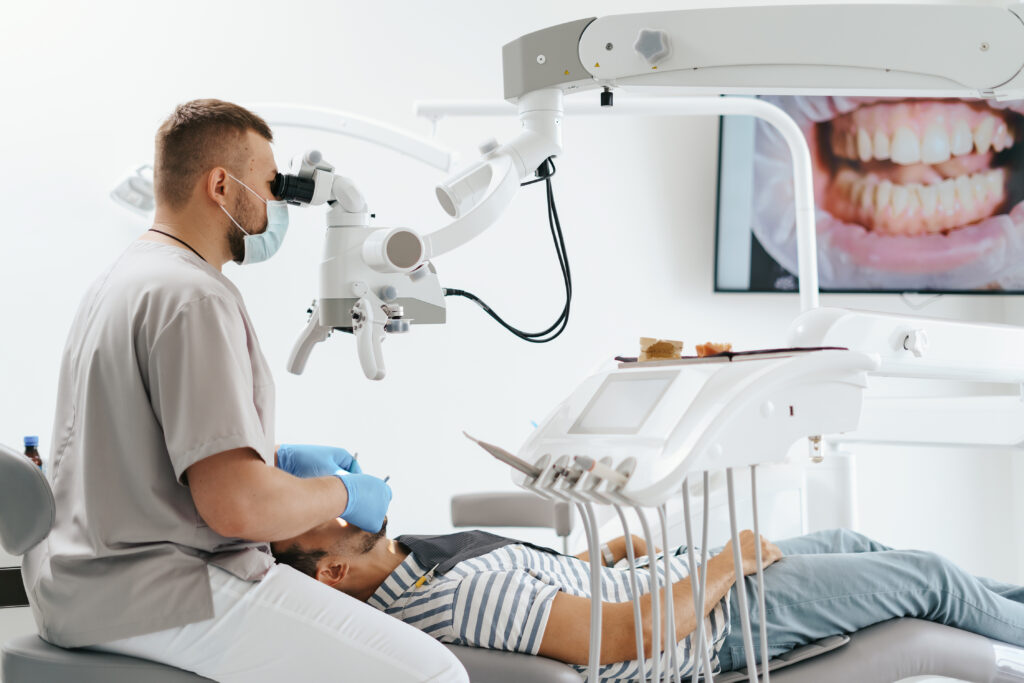
What Most Emergencies in the Dental Office Occur From
When people talk about dental emergencies, they often mean trauma or sudden pain, but most emergencies in the dental office occur from patient anxiety and pre-existing medical conditions interacting with treatment. The most common medical emergencies in the dental office are fainting, followed by mild allergic reactions, angina, and seizures.
Fainting is most often triggered by anxiety, the sight of needles, or sudden changes in posture. This is why good dental practices conduct thorough medical history assessments before treatment and create a calm, comfortable environment for every patient.
If you have dental anxiety, tell your dental team. There are real options to manage it, from relaxed appointment scheduling through to sedation dentistry where needed.
How to Prevent Common Dental Emergencies
Prevention won’t eliminate every emergency, as accidents can always happen. But the vast majority of common dental emergencies are either avoidable or can be caught early before they escalate. Here’s what makes the biggest difference:
- Attend regular check-ups. Six-monthly exams and professional cleans allow your dentist to spot early decay, cracked teeth, worn restorations, and gum disease before they become urgent problems. The most common reasons for preventable dental hospital admissions in Australia are conditions that are identifiable and manageable with consistent professional care.
- Wear a custom mouthguard for sport. If you or your children play contact sports, a custom-fitted mouthguard from your dentist is one of the best investments you can make.
- Address teeth grinding. Bruxism is a major contributor to cracked teeth, worn enamel, and jaw pain. A night guard can protect your teeth while you sleep.
- Don’t ignore small problems. Mild tooth sensitivity, a slight ache, or a loose filling might seem minor, but left alone, small issues become big ones. Early treatment is almost always faster, simpler, and less expensive.
- Maintain good daily hygiene. Brushing for two minutes twice a day, flossing daily, and limiting sugary and acidic foods dramatically reduces your risk of decay and gum disease.
When to See an Emergency Dentist in Adelaide
If you’re in Adelaide and experiencing any of the following, don’t wait for your next routine appointment:
- Severe or sudden tooth pain that doesn’t ease
- A knocked-out or fractured tooth
- Significant facial swelling, especially around the jaw or under the eye
- A tooth abscess or signs of infection (fever, bad taste, pus)
- A lost crown or filling with pain or sensitivity
- Soft tissue bleeding that won’t stop
The team at Pasadena Dental offers same-day emergency appointments across Adelaide. Whether you need urgent pain relief, a cracked tooth assessed, or treatment for an infection, our experienced dentists prioritise getting you seen quickly so small problems don’t become bigger ones.
We also offer a full range of preventive and restorative services, from routine check-ups to teeth whitening to dental implants, so once the emergency is handled, we can help you maintain a healthy smile long-term.
Call us or book online to see an emergency dentist in Adelaide today.